Hair Thinning vs Hair Loss: What’s the Difference?
- 05 mins read
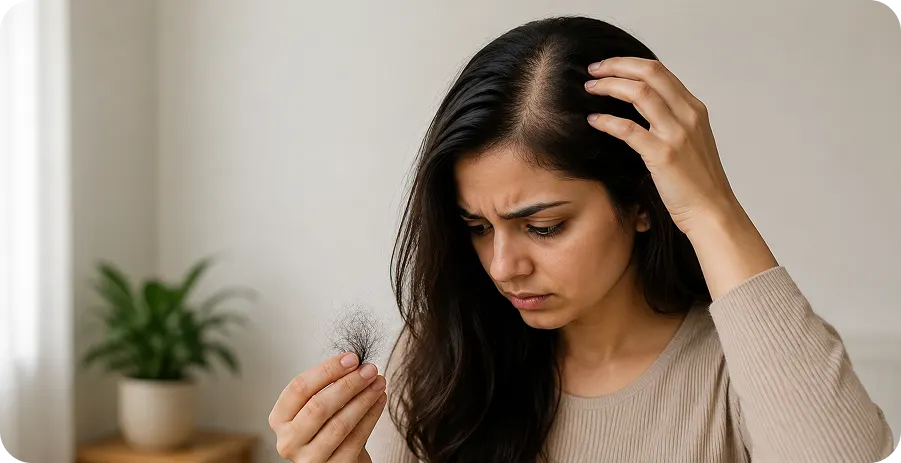
Finding more hair than usual on your pillow or in the shower can make you wonder, “Is my hair actually thinning, or am I just shedding more than normal?” A wider part, a smaller ponytail or more visible scalp can make the answer even harder to figure out. And yes, these changes can have very different causes.
Hair shedding is a normal part of the hair growth cycle, but persistent or excessive shedding can sometimes lead to noticeable thinning. Hair loss is a broader term that can include gradual thinning, bald patches or reduced hair growth.
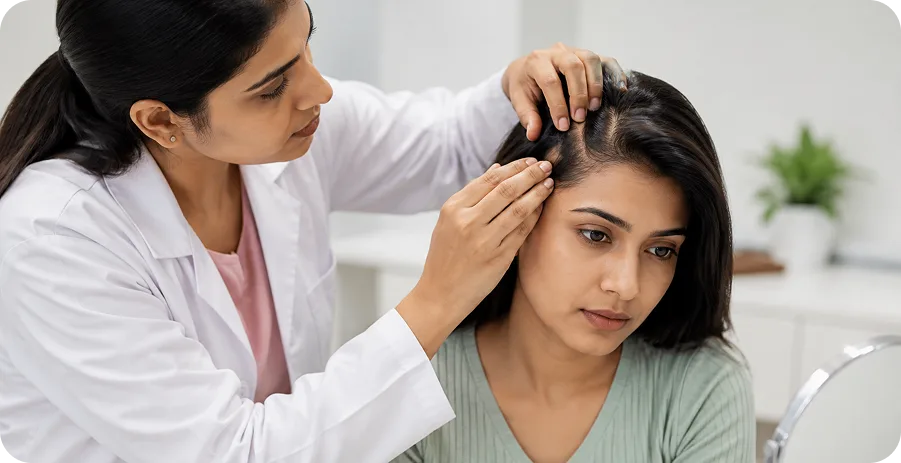
Knowing what you are noticing can help you understand whether it may be temporary shedding or something that needs a dermatologist’s attention.
What Is Hair Thinning And What Are The Signs Of Hair Thinning?
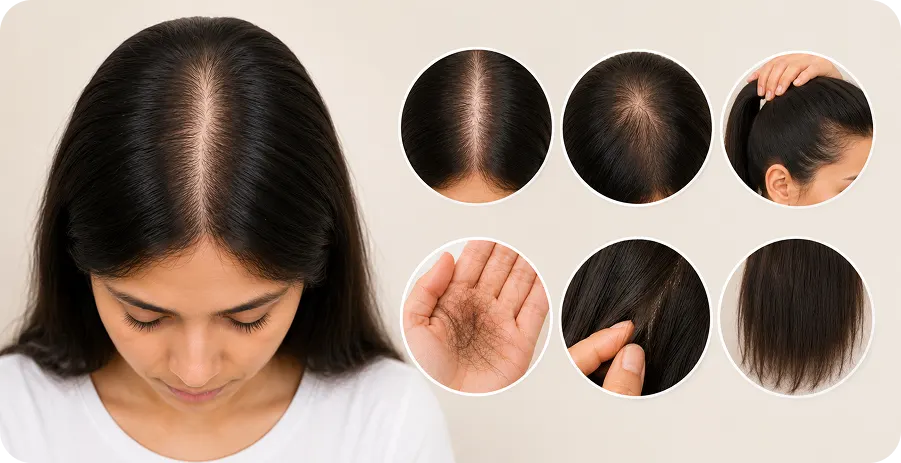
Common signs of hair thinning include:
- A wider part: The line where you separate your hair may become more noticeable.
- More visible scalp: You may see more scalp around the part or crown.
- A thinner ponytail: Your ponytail may feel smaller or less dense than before.
- Finer strands: Individual hairs may look or feel thinner than they used to.
- Less overall volume: Your hair may lose fullness, especially after washing or styling.
- Gradual loss of density: Your scalp may become easier to see in photos or under bright light.
What Are the Signs of Hair Loss?
Common signs of scalp hair loss include:
- Increased shedding: You may notice noticeably more hair on your pillow, brush, clothes or in the shower.
- Receding hairline: The hairline may gradually move back or become visibly less dense.
- Bald spots or patches: Clearly defined or irregular areas of missing hair may develop on the scalp.
- Reduced scalp coverage: More of the scalp may become visible as hair density decreases, particularly around the crown or other affected areas.
- Sudden hair loss: Hair may fall out quickly from one or more parts of the scalp.
- Scalp changes: Itching, redness, scaling, tenderness or inflammation may occur alongside hair loss.
What Causes Hair Thinning and Hair Loss?
- Genetics and ageing: If hair loss runs in your family, you may develop androgenetic alopecia, also known as hereditary hair loss. The follicles gradually become smaller and produce finer hairs, which can make your scalp more visible over time.
- Stress, illness and physical changes: You may notice heavier shedding a few months after a high fever, illness, surgery, childbirth or major stress. This is often called telogen effluvium. It happens when more hairs than usual enter the shedding phase of the growth cycle.
- Hormonal and medical conditions: Changes in hormone levels or certain health conditions can affect how your hair grows. Thyroid disorders and some autoimmune conditions, for example, can cause increased shedding or thinning.
- Nutritional deficiencies: Your hair needs adequate nutrition to grow normally. A deficiency in nutrients such as iron or zinc, or not getting enough protein, can contribute to hair loss when the deficiency is present. Taking supplements without confirming a deficiency may not help.
- Hair-care practices: If you regularly wear tight hairstyles, repeated pulling can damage the follicles and cause traction alopecia. Frequent chemical treatments, excessive heat and rough handling can also weaken the hair and cause breakage.
What’s the Difference Between Hair Thinning vs Hair Loss?
Hair thinning describes a reduction in hair density or fullness, while hair loss is the broader term for losing hair from the scalp. Thinning is often one of the ways hair loss becomes noticeable, particularly when it develops gradually.
| Aspect | Hair thinning | Hair loss |
|---|---|---|
| What it means | Hair becomes less dense or full over time. | Hair is lost from the scalp, either gradually or suddenly. |
| How it may develop | Usually gradual, especially with hereditary hair loss. | Can be gradual, sudden or patchy, depending on the cause. |
| What you may notice | Less volume, finer hair or more visible scalp. | Increased shedding, a receding hairline, bald spots or sudden gaps. |
| Common patterns | Overall thinning or a widening part. | Receding hairline, growing bald spot, patchy loss or widespread shedding. |
| What it can indicate | May be an early sign of a hair-loss condition. | May be linked to genetics, illness, stress, hormonal changes, medications or other causes. |
| Can it be temporary? | Yes, depending on the underlying cause. | Yes, some types are temporary, while others can be progressive or permanent. |
When Should You See a Doctor for Hair Loss?
If you’re seeing a clear change in your hair and it isn’t settling, don’t keep guessing at the cause. It’s a good idea to see a doctor if:
- You’re suddenly shedding far more hair than usual.
- The loss is continuing or becoming noticeably worse.
- A bald patch has appeared or is getting larger.
- Your scalp has become painful, very itchy, red, sore or scaly.
- The hair loss started without an obvious trigger.
- Heavy shedding continues for months after an illness, surgery or other major physical change.
Can Hair Thinning and Hair Loss Be Treated?
Yes, but the treatment you’ll need depends on what’s causing your hair loss. Temporary shedding, such as telogen effluvium, may improve once the trigger is addressed.
Hereditary hair loss may be managed with treatments such as minoxidil, which can help slow further hair loss and maintain existing hair. When hair loss is linked to a medical or hormonal condition, treating the underlying cause may help reduce shedding and support regrowth.
The right treatment depends on your facial assessment and aesthetic goals. A qualified practitioner can recommend the most suitable option after evaluating your concerns.